
Loading...
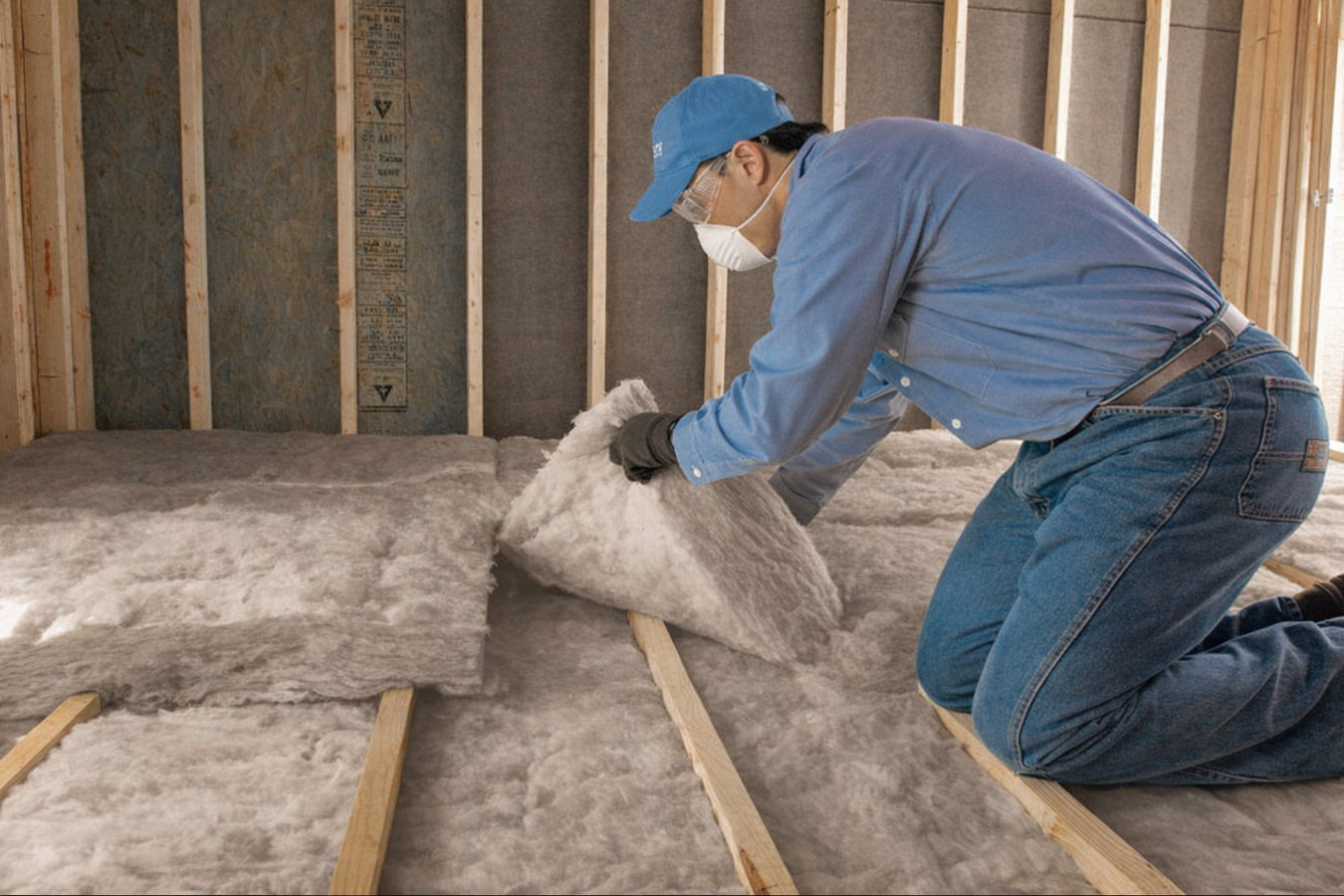
Old, damaged, or pest-contaminated insulation needs to come out before your home can perform the way it should. We remove it safely, haul everything away, and leave the space clean and ready for new material.
Insulation removal in Eau Claire, WI means a crew physically takes out the old material from your attic, crawl space, or walls - and hauls everything away before new insulation goes in. Most standard attic jobs are completed in one full day. Many homeowners assume new insulation can always be layered on top of the old. That works sometimes, but not when the existing material is wet, moldy, pest-damaged, or contains hazardous materials. Leaving contaminated insulation in place traps the problem and makes it worse over time.
Older Eau Claire homes - particularly those in established neighborhoods like Randall Park and the Emrich area - were often insulated with materials that are now degraded or in some cases hazardous. If your home was built before 1980 and has never had insulation work done, a professional assessment is the right first step. Removal often pairs with our crawl space insulation service, since crawl spaces are among the most common places to find failing or contaminated material in this region.
If your gas or electric bills have crept up every winter even though nothing else has changed, degraded attic insulation is one of the most common causes. Heat rises, and if the barrier between your living space and the cold attic is worn out or compressed, you are essentially paying to heat the outdoors. This is especially common in homes more than 20 to 30 years old that have never had insulation work done.
If you have heard scratching in the ceiling, found droppings in the attic, or had a pest company confirm rodent activity, the insulation almost certainly needs to come out entirely. Rodents nest in and soil insulation thoroughly, and no amount of sanitizing spray makes contaminated material safe to leave in place. This is a health issue, not just a comfort one.
Healthy insulation is light-colored and fluffy or intact. If yours looks gray, brown, or black in patches, has flattened to almost nothing, or has a damp or musty smell when you open the attic hatch, those are signs of moisture damage or mold. In Eau Claire's climate, where attic condensation is common during temperature swings, this kind of damage is more the rule than the exception in older homes.
If you bought an older Eau Claire home and the inspection did not flag the insulation, that does not mean it is fine. Homes from that era may contain materials that are no longer effective, or in some cases materials that should not be disturbed without testing first. Eau Claire's older neighborhoods have a higher-than-average likelihood of vermiculite or other older blown insulation that warrants assessment before any removal begins.
We handle removal in attics, crawl spaces, and wall cavities throughout the Eau Claire area. For attic removal, industrial vacuum equipment pulls out blown-in material quickly while containment prevents dust from migrating into your living spaces. For batt and board insulation, work is done by hand, with every piece bagged and hauled off-site. Before any work starts, we assess the type and condition of the existing material - including flagging anything that needs to be tested before it is touched. Our retrofit insulation service follows directly after removal for homeowners who are ready to replace what we take out.
Every removal job includes a walkthrough of what was found while the space was open. We document moisture staining, damaged framing, pest entry points, or anything else worth knowing about before the area is closed back up. If the removal reveals that your crawl space also needs attention, crawl space insulation can be scoped and completed as a follow-on project so you address the full problem in one season.
Best for homes with degraded blown-in material, pest contamination, or moisture damage in the attic - all material vacuumed out and hauled away.
Suited for homes with failing fiberglass batts, rodent nesting, or vapor barrier damage below the living floor that needs to be cleared before remediation.
For renovation projects or homes with confirmed moisture damage inside wall cavities that cannot be addressed by adding insulation on top.
Ideal for homeowners preparing to list or renovate who need a clean, documented assessment of what was there and what was removed.
A large share of Eau Claire homes were built in the 1940s through 1970s - neighborhoods near downtown, along the river corridor, and on the older east-side streets are full of homes from that era. Homes built before 1980 were often insulated with materials that are now considered inadequate, degraded, or in some cases hazardous. Eau Claire winters are also genuinely brutal: average January lows in the single digits and prolonged cold snaps put enormous pressure on attic insulation year after year, compressing and degrading material that was never thick enough to begin with. When ice dams form on your roofline every winter, that is almost always a signal that the insulation below has failed and removal is the right call - not just adding more on top. For homeowners near Altoona, we regularly see this pattern in the postwar ranch and split-level homes that are now 50 to 70 years old.
Wisconsin also requires that insulation contractors be registered with the state before performing residential work - which matters because it creates accountability and gives homeowners a way to verify who they are hiring. We serve the full Chippewa Valley, and homeowners in Chippewa Falls face the same combination of older housing stock and severe winter conditions that makes proper removal - done to state standards - worth doing right. The EPA's guidance on vermiculite is the starting point for any home built before 1985 where the existing attic material has never been tested.
We reply within one business day. We will ask a few basic questions - how old is the home, what is prompting the call, and whether you have noticed any moisture or pest problems - so we come to the assessment prepared.
We inspect the attic, crawl space, or wall cavity in person - checking type and condition of existing material, looking for moisture, mold, or pest damage, and noting anything that might affect the job. You get a written estimate that breaks out removal, disposal, and any additional work before anything is agreed to.
The crew seals off the work area, brings in industrial vacuum equipment for blown-in material, and works by hand for batts and boards. A standard attic removal takes one full day. All bagged material leaves with us.
Before we leave, we walk you through the cleared space and point out anything found during removal - moisture staining, damaged framing, gaps where air is entering. If new insulation is the next step, we scope that work while we are already on-site.
Free estimate, written quote before any work starts. We reply within one business day.
(534) 400-0045We pull building permits from the City of Eau Claire when a job requires one and schedule the city inspection. You get a documented record of every removal job, which gives you a clear paper trail if you sell the home or need to reference the work later.
For homes built before the mid-1980s, we flag any material that should be tested before removal begins. This is not an upsell - it is the legally and medically correct approach. Disturbing asbestos-containing material without proper procedures puts your family at risk and exposes a contractor to serious liability.
We photograph what we find before we remove it and walk you through the results when the job is done. That documentation belongs to you - useful for real estate disclosure, insurance records, or simply knowing what was behind your ceiling. Most contractors skip this step. We do not.
We work across the Chippewa Valley and western Wisconsin - from Eau Claire proper out to Rice Lake, Black River Falls, and Wausau. Homeowners in our service area get the same attention and standards regardless of where they are. Our team knows the local housing stock and what to expect in homes from each decade of construction in this region.
Insulation removal is one of the most overlooked steps in home performance work. Getting it done correctly - with proper testing, containment, and documentation - protects your family, protects your investment, and sets up whatever comes next to actually perform as it should. The Building Performance Institute outlines what a thorough removal and cavity inspection should include for anyone who wants a baseline for what good work looks like.
After removal, a properly insulated crawl space protects pipes from freezing and eliminates cold floors throughout your first floor all winter.
Learn moreOnce old material is out, retrofit insulation brings your home's thermal performance up to current Wisconsin energy code standards without major construction.
Learn moreWinter is not the time to discover your attic insulation has been failing for years - call now and we will assess your home and give you a clear plan before the next cold season hits.