
Loading...
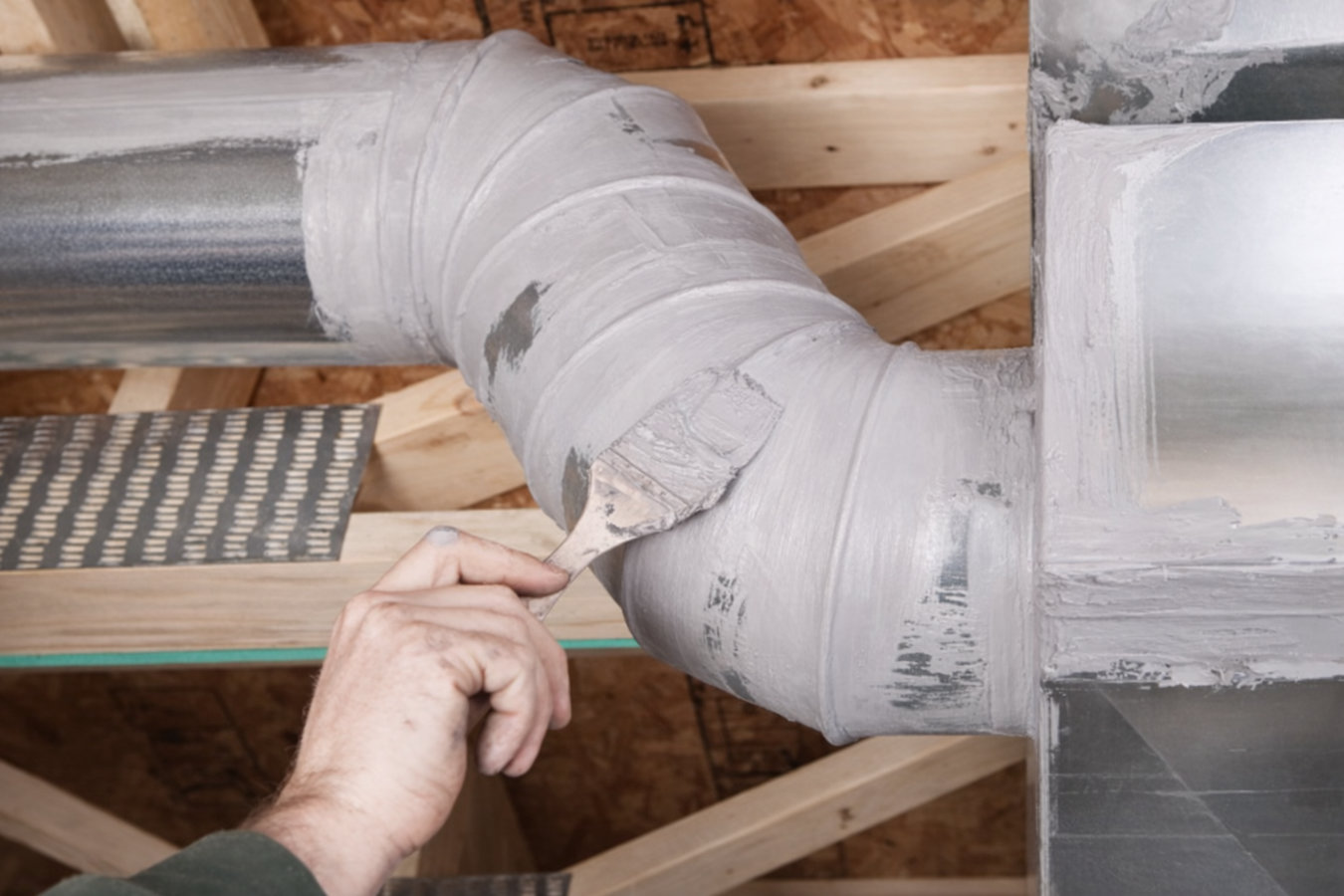
If your Eau Claire home has cold drafts, high heating bills, or ice dams every winter, air leaks are likely the root cause. We find and seal every gap so your furnace stops fighting the cold air it was never meant to heat.
Air sealing in Eau Claire means finding every gap, crack, and opening in your home's shell - around pipes, wires, light fixtures, attic hatches, and wall joints - and closing them so conditioned air stays inside and outside air stays out. Most jobs on a single-family home take one to two days and happen primarily in the attic and basement, leaving your living spaces largely undisturbed. The U.S. Department of Energy notes that the combined area of all the tiny gaps in a typical older home can add up to the equivalent of leaving a window open year-round.
Air sealing is not the same as adding insulation, though the two are often done together on the same visit for better results. If you have already added insulation but still notice drafts or inconsistent room temperatures, air leaks are almost certainly part of the problem. Our attic air sealing service targets the highest-impact location in most Eau Claire homes - the attic floor, where the largest gaps between conditioned and unconditioned space almost always exist.
If your gas or electric bill spikes every November and stays high through March even after turning the thermostat down, your home is likely losing heat through gaps rather than through the walls themselves. Eau Claire winters are long and cold, and a leaky home can add hundreds of dollars to your annual heating costs compared to a well-sealed one.
Hold your hand near an electrical outlet on an exterior wall on a cold day. If you feel cool air, that outlet connects to a gap running through your wall to the outside. The same is true for drafts near baseboards, around window and door frames, or along the top of interior walls in older Eau Claire homes where framing was never sealed.
Ice dams - the ridges of ice that build up along the edge of a roof after a snowfall - are a classic sign that warm air is escaping through your attic floor and melting snow unevenly. Eau Claire gets significant snowfall most winters, and homes with poor attic air sealing are far more likely to develop ice dams that damage gutters, roofing, and interior ceilings.
If one bedroom is always 5 to 10 degrees colder than the rest of the house regardless of how long the heat runs, that room likely has more air leakage than others. This is especially common in rooms above garages, at the ends of ranch-style homes, or in older Eau Claire houses where additions were built at different times with different levels of care.
We seal the entire building envelope - attic floor, basement rim joists, wall penetrations, and any other pathways where air moves freely between your living space and the outside. For most Eau Claire homes, the attic is the first and highest-priority location, followed by the basement and any crawl space. We use foam and caulk for permanent sealing rather than quick fixes that fail within a season. Many jobs also benefit from combining air sealing with basement insulation on the same visit, which addresses both the thermal barrier and the air barrier in the lower part of your home at once.
For homeowners who want a before-and-after measurement, we offer blower door testing as part of the job - a temporary fan mounted in an exterior doorway depressurizes the house and makes every remaining gap easy to find. That test also gives you a number you can use when applying for Focus on Energy rebates or the federal energy efficiency tax credit. We also pair air sealing with attic air sealing as a standalone service for homeowners who want to target that one location specifically before tackling the rest of the home.
A complete pass through every air pathway in your home - attic, basement, rim joists, wall penetrations, and interior bypasses.
The highest-impact single location in most Eau Claire homes - stops warm air from escaping and directly reduces ice dam formation.
Closes the cold-air entry point at the top of your foundation wall, which is one of the most overlooked and most impactful gaps in older homes.
A before-and-after measurement that shows exactly how much air tightness improved - and provides documentation for rebate and tax credit applications.
Eau Claire regularly sees winter temperatures drop well below zero, with average January lows around 4 degrees Fahrenheit and wind chills that push the felt temperature even further down. When it is that cold outside, even a small gap in your home's shell lets in a surprising amount of frigid air - and your furnace has to work overtime to compensate. Air sealing pays off faster in Eau Claire than it would in a milder climate because the temperature difference between inside and outside is so dramatic for so many months. Many neighborhoods in Eau Claire, including the Randall Park and near-downtown areas, are filled with homes built before the 1980s when building codes paid little attention to air tightness. Homeowners in Bloomer and Rice Lake deal with the same older housing stock and call us for the same reasons.
Eau Claire summers are also warm and humid, and that humidity creates a moisture risk that good air sealing must account for. When warm, moist outdoor air finds its way into a cool attic or wall cavity, it can condense and create conditions for mold or wood rot. A contractor working in this climate needs to understand how moisture moves through a home - not just how to plug gaps - so the work protects your home year-round. For guidance on what constitutes a well-sealed home in cold climates, the ENERGY STAR Seal and Insulate program sets the standard we work from on every job.
We ask a few quick questions about your home's age and any specific issues you have noticed - drafts, cold spots, ice dams, high bills. You will hear back within one business day to schedule your in-home visit.
We walk your attic, basement, and any crawl space, looking for obvious gaps and assessing your home's overall tightness. Many assessments include a blower door test to find and measure leaks that are not visible to the eye. The visit takes one to two hours.
You receive a written estimate specifying exactly which areas we will address, what materials we will use, and your total cost - including any Focus on Energy rebates you qualify for, so you see your net out-of-pocket number before agreeing to anything.
The crew works through the home systematically, sealing gaps with foam and caulk. Most of the work happens in the attic and basement. A second blower door test after completion shows the measurable improvement, and we handle your rebate paperwork before leaving.
No obligation. Written quote includes rebates. We reply within one business day.
(534) 400-0045We pull building permits from the City of Eau Claire when a job requires one and schedule the city inspection so the work is verified against Wisconsin standards. You get a documented record of every project, which gives you real peace of mind before anyone enters your attic.
We are familiar with Wisconsin's Focus on Energy rebate requirements and handle the paperwork submission on your behalf. Homeowners who qualify often recover a meaningful portion of the project cost - but only if the paperwork is submitted correctly. We make sure yours is.
Older Eau Claire homes - Craftsman bungalows near downtown, ranch homes on the south side - have construction patterns that differ from newer houses. We work in these homes every week and understand the framing, the gaps, and the moisture risks that come with older wall and attic assemblies.
We do not just seal gaps and leave. A blower door test before and after work gives you a documented, measurable improvement in your home's air tightness. That number matters for rebate applications, tax credits, and your own confidence that the job was actually done right.
The U.S. Environmental Protection Agency notes that a well-sealed home still needs controlled ventilation to maintain healthy indoor air quality - we account for this on every job, checking that your home's ventilation pathways remain functional after sealing. That whole-home awareness is what separates a thorough air sealing job from one that just patches the most obvious gaps.
Seal and insulate your basement walls and rim joists together for a warmer first floor and a dry, usable lower level.
Learn moreTarget the attic floor specifically - the single highest-impact location for air sealing in most Eau Claire homes.
Learn moreFall is the best time to schedule in Eau Claire - call now or request a free estimate online before heating season arrives and slots fill up.