
Loading...
Precision Eau Claire Insulation delivers home insulation, attic insulation, and crawl space encapsulation to Eau Claire, WI homeowners - locally owned and responding to new requests within one business day.
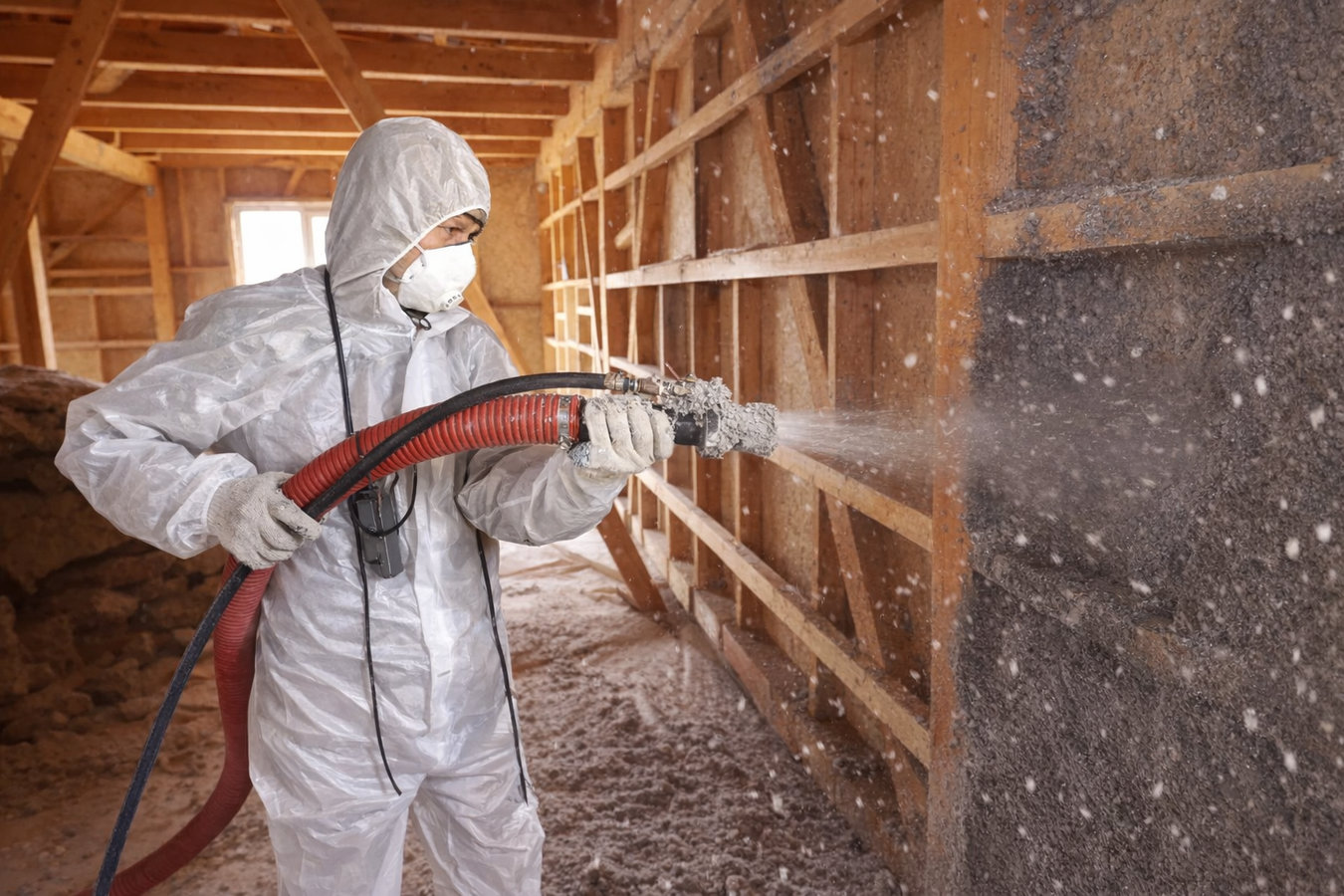
Eau Claire sits in Climate Zone 6, meaning homes here need significantly more insulation than most of the country. A full home insulation assessment covers every zone - attic, walls, basement, and crawl space - and identifies where your home is losing the most heat. Older neighborhoods like Randall Park and the South Side have some of the lowest insulation levels in the city.
Most Eau Claire homes built before 1980 have attic insulation levels far below what today's energy codes require for this climate. If you can see the tops of your attic floor joists, you are likely losing a meaningful amount of heat every winter. Upgrading to the recommended depth is the single fastest way to reduce your heating bills.
Older Eau Claire homes, especially Craftsman bungalows and American Foursquares near downtown, often have uninsulated rim joists and irregular framing that batts cannot fill properly. Closed-cell spray foam adheres directly to those surfaces and creates a continuous air and moisture barrier - particularly valuable in homes near the Chippewa and Eau Claire rivers where ground moisture is a regular concern.
Many Eau Claire homes sit on crawl spaces that were built with vented designs standard decades ago - designs that bring in cold air and ground moisture all winter. Insulating and encapsulating the crawl space eliminates cold floors on the first level and stops seasonal moisture from migrating into your floor structure.
Homes near the university and in the downtown neighborhoods routinely have gaps around wiring, plumbing, and original framing that let outside air flow in freely. Air sealing closes those gaps before insulation goes in, which is the step that separates a job that actually reduces your bills from one that looks the same but underperforms.
Low-lying neighborhoods near the Chippewa River see real basement moisture pressure in spring when snowmelt moves through the soil quickly. Insulating basement walls and rim joists with the right materials keeps cold and moisture out and helps maintain stable temperatures in the living space above.
Eau Claire sits in Wisconsin Climate Zone 6, which means federal energy guidelines require higher insulation levels here than in most of the country. Average January lows hover near 5 degrees Fahrenheit, and the heating season runs roughly seven months. For the large share of Eau Claire homes built before 1980 - including the Craftsman bungalows and American Foursquares that fill neighborhoods like Putnam Heights and Emrich - this means the original insulation has likely never been upgraded and now falls well short of current recommendations. The result is higher heating bills, uneven room temperatures, and increased risk of ice dams every winter.
Geography adds another layer. Eau Claire sits at the confluence of the Chippewa River and the Eau Claire River, and many residential lots in the older neighborhoods sit on low ground. Spring snowmelt pushes moisture through the soil quickly, and homes in those areas see basement seepage and crawl space dampness that degrade insulation from below. The mix of deep frost - the ground freezes nearly four feet down each winter - and repeated freeze-thaw cycles in spring and fall creates conditions that accelerate damage to any insulation or air barrier that was not installed correctly in the first place.
We pull permits through the City of Eau Claire Inspection Services division regularly, and we know which projects require review and which do not - so there are no surprises on your project timeline. The older housing stock on the north and east sides of the city presents the most complex work: original plaster walls, irregular framing, and rim joists that have never been touched since the homes were built in the 1920s and 30s.
We work across the full city - from the older neighborhoods near the University of Wisconsin-Eau Claire campus along the Chippewa River to the postwar ranch homes on the south side, and from downtown Craftsman bungalows near Pablo Center to the newer developments on the edges of town. Highway 12 and Clairemont Avenue are the routes we drive most days to get to jobs throughout the city.
We also serve the communities surrounding Eau Claire. If you are in Altoona, just east of Eau Claire, or in Chippewa Falls to the north, the same crew and the same standards apply.
Reach us by phone or through the contact form. We respond to every inquiry within one business day and can typically schedule an on-site assessment within the same week.
We walk through your home, measure current insulation levels, check for moisture issues, and identify air leaks. You receive a written estimate with a clear scope before we ask you to commit to anything - no pressure, no vague price ranges.
Our crew arrives on time with all equipment. Most attic jobs complete in a single day; crawl space and whole-home projects typically run one to two days. You can stay in the home during most installs - we protect your interior and clean up before we leave.
We walk you through the finished work, show you what was done, and go over any rebate documentation you need for Focus on Energy or utility programs. We answer questions before we leave the job site.
We serve Eau Claire homeowners with same-week scheduling, written estimates, and no-pressure assessments. Call us or send a message and we will get back to you within one business day.
(534) 400-0045Eau Claire is the largest city in northwestern Wisconsin, with a population of around 69,000 people. It sits at the point where the Chippewa River and the Eau Claire River meet, and that geography shapes everything from the city's layout to how individual properties handle drainage and moisture. The city has a downtown anchored by Pablo Center at the Confluence, a performing arts venue at the riverfront, and the University of Wisconsin-Eau Claire campus stretching along the north bank of the Chippewa River. According to Wikipedia, a significant share of the city's housing units were built before 1960, with many dating to the early 1900s.
The housing stock ranges from Victorian-era and Craftsman homes in the older neighborhoods near downtown and the rivers to postwar ranch and split-level homes on the south side, developed heavily in the 1950s through 1970s. Both eras represent homes that are now well past the point where original insulation remains adequate for today's energy standards - and both require contractors who understand the specific materials and construction methods of their period. Major employers including Marshfield Clinic Health System, Mayo Clinic Health System, and UW-Eau Claire keep a stable long-term workforce in the city, which means homeowners here tend to invest in their properties with the expectation of staying for years. Neighboring Altoona to the east and Elk Mound further east are both communities we serve regularly.
Spray foam creates an airtight seal that dramatically reduces energy loss in walls, attics, and crawl spaces.
Learn moreProper attic insulation keeps conditioned air in and outside temperatures out year-round.
Learn moreBlown-in insulation fills gaps and voids in existing cavities without major demolition.
Learn moreWhole-home insulation assessments and installs that improve comfort and cut utility bills.
Learn moreSafe removal of old, damaged, or contaminated insulation to prepare for a fresh install.
Learn moreInsulating your crawl space prevents moisture intrusion and reduces floor-level drafts.
Learn moreDense-pack and batt options for new construction and retrofit wall insulation projects.
Learn moreAir sealing eliminates drafts and reduces HVAC load by closing gaps throughout the building envelope.
Learn moreBasement insulation stabilizes indoor temperatures and helps prevent moisture-related damage.
Learn moreHigh-density closed-cell foam provides superior R-value and acts as both insulation and vapor barrier.
Learn moreOpen-cell spray foam is a cost-effective option for interior walls and sound dampening.
Learn moreSealing attic bypasses prevents conditioned air from escaping through ceiling penetrations.
Learn moreVapor barriers block ground moisture from entering your crawl space and degrading insulation.
Learn moreProfessional vapor barrier installation protects structural materials and maintains indoor air quality.
Learn moreRetrofit insulation upgrades existing homes with minimal disruption to walls and finishes.
Learn moreCommercial insulation solutions for offices, warehouses, and industrial buildings of all sizes.
Learn moreWisconsin winters are not forgiving. If your home is losing heat, every week costs you money. Reach out now and we will schedule your assessment within the week.