
Loading...
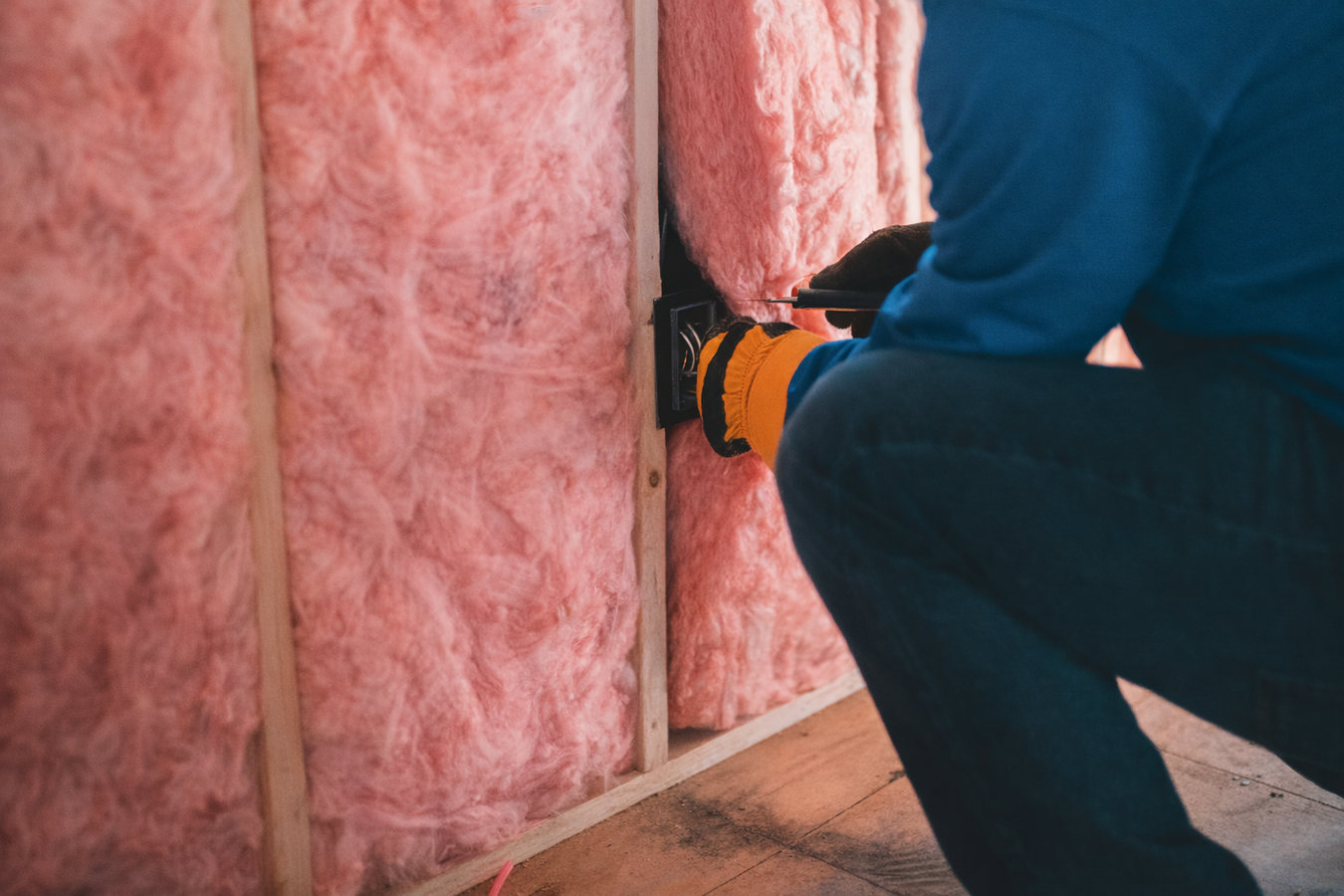
Heat rises. If your attic does not have enough insulation, you are paying to warm the outdoors every winter. Proper attic insulation keeps that heat where it belongs, cuts your monthly bills, and stops the ice dams that tear up Eau Claire roofs every January.
Attic insulation in Eau Claire, WI acts like a thick blanket between your living space and the outdoors - most jobs are completed in a single day by a crew of two or three, and you do not need to leave your home. The U.S. Department of Energy estimates that properly insulating and air sealing your attic can reduce heating and cooling costs by up to 15 percent, and in Wisconsin, where furnaces run hard from October through April, those savings add up meaningfully over time.
For homes in Eau Claire's older neighborhoods - the Craftsman bungalows near downtown, the ranch homes on the south side, the two-story foursquares in Randall Park - the original attic insulation has often settled, compressed, or degraded over decades. Adding new material on top of existing insulation is often the most cost-effective approach, but only after the gaps and air leaks are sealed first. If your attic project also needs work on blown-in material, see our blown-in insulation service, which pairs well with attic upgrades.
If your gas or electric bill has crept up over the past few winters without a clear reason, your attic insulation may be the culprit. Heat rises, and if there is not enough insulation above your ceiling, that warmth escapes straight through the roof. In Eau Claire, where furnaces run hard from October through April, even a modest improvement in attic insulation shows up on your utility bill.
Thick ridges of ice building up along the edge of your roof in January or February mean heat is escaping through your attic and warming the roof unevenly. Snow melts in the middle, runs down, and refreezes at the cold eaves. This is a common problem in Eau Claire's freeze-thaw winters, and it is almost always connected to insufficient attic insulation or air leaks above your ceiling.
If rooms on your top floor are noticeably colder than the rest of the house in winter - or hotter in summer - your attic insulation is not doing its job. You might also notice the ceiling feels cold to the touch on a frigid day. These are signs that heat is moving through your ceiling instead of staying in your living space.
If you peek into your attic and can clearly see the wooden framing members running across the floor, your insulation level is almost certainly too low for an Eau Claire winter. Properly insulated attics in this climate should have insulation so deep that the framing is completely buried. Visible joists are one of the clearest signs that an upgrade is overdue.
Before any insulation goes in, we seal the gaps and air leaks - around light fixtures, plumbing penetrations, the tops of interior walls, and anywhere else warm air escapes your living space into the attic. Skipping this step is the most common reason a cheaper attic job underperforms: insulation slows heat transfer, but it cannot stop air from moving through holes. Once air sealing is complete, we add blown-in insulation to the required depth for Wisconsin's climate, ensuring consistent coverage from the eaves to the center.
For homes with more severe air leakage or moisture concerns, we may recommend pairing the blown-in layer with attic air sealing as a dedicated first step. This is particularly common in older Eau Claire homes where decades of settling have opened gaps that simple caulking cannot reach. We assess your attic on the first visit and recommend the approach that fits your home - not the most expensive option.
The most common attic upgrade - pumped in as small particles to fill irregular spaces and achieve the depth Wisconsin's climate requires.
Pre-cut blankets of insulation laid between attic floor framing - works well in open, easy-to-reach attic floors.
Sealing gaps around light fixtures, pipes, and wall tops before insulation is added - the step that makes everything else work.
Adding depth to older, settled insulation that is still dry and intact - often the most cost-effective path in pre-1980s Eau Claire homes.
Eau Claire regularly sees January lows around 5 degrees Fahrenheit, with temperatures dropping well below zero during cold snaps. The federal government places Wisconsin in one of its coldest insulation requirement tiers, which means your attic needs significantly more insulation than a home in Tennessee or even Chicago. A large share of Eau Claire's housing stock was built in the 1940s through 1970s - homes in the Randall Park, Emrich, and Putnam Park neighborhoods, and on the south side - and many of them have never had insulation added. If yours is one of them, you are likely losing a meaningful amount of heat through your ceiling every single winter.
We serve homeowners across the Chippewa Valley, including Menomonie and Rice Lake. Wisconsin's Focus on Energy program has offered cash rebates for attic insulation upgrades, and Xcel Energy, which serves much of the Eau Claire area, may also have additional incentives available. Federal tax credits for energy-efficiency improvements may apply as well. ENERGY STAR's tax credit information is a good starting point to check current eligibility.
We will ask basic questions about your home - its age, whether you have noticed specific problems like high bills or ice dams, and whether any insulation work has been done before. Expect a response within one business day. You do not need to prepare anything for this first conversation.
A technician visits your attic, measures what is already there, and checks for air leaks around light fixtures, pipes, and wall tops. They also verify your attic ventilation is working properly. You receive a written estimate covering what will be done, the material, and the total cost - not a verbal ballpark.
On work day, the crew seals gaps and cracks in your attic floor before any insulation goes in. Once sealing is done, they run a hose from their blowing machine up into the attic and fill it to the correct depth. You can stay home - the work is almost entirely contained to the attic.
When the work is done, the crew cleans up and invites you to view the finished attic. We provide the documentation you need to claim any Focus on Energy rebates or federal tax credits. Most homeowners notice a difference in comfort within the first cold snap after the work is done.
We provide a free in-home assessment and written estimate - no pressure, no obligation. Most jobs are scheduled within a week of your estimate. Call or submit a request and we will get back to you within one business day.
(534) 400-0045We pull building permits from the City of Eau Claire when a job requires one and schedule the city inspection so the work is verified against Wisconsin energy code. You get a documented record of every project we complete.
Skipping air sealing is the most common way attic jobs underperform. We seal the gaps around light fixtures, plumbing penetrations, and wall tops before a single bag of insulation goes in. That is the step that separates a job that performs from one that looks right but does not deliver.
We provide documentation covering what was installed, what depth was achieved, and what material was used. This is what you need to file for Focus on Energy rebates and federal tax credits - and what a home buyer's inspector will want to see if you ever sell.
Homes built in Eau Claire's older neighborhoods - Randall Park, Emrich, the south side - have settled insulation, odd framing, and air leaks that a contractor unfamiliar with this housing stock will miss. We know these homes and know where to look.
We are a local contractor serving Eau Claire and the Chippewa Valley - not a franchise. You talk to us directly, and we are accountable to our neighbors. The Insulation Contractors Association of America sets industry best practices for the trade, and we work to those standards on every job.
Blown-in loose fill fills irregular attic spaces completely and is the most common upgrade for Eau Claire homes that have settled or sparse existing insulation.
Learn moreAir sealing the gaps around light fixtures, pipes, and wall tops before adding insulation is what turns a good attic job into a great one - this is the step most contractors skip.
Learn moreSlots go fast once temperatures start dropping. Call now or submit a request - we respond within one business day and can typically schedule your estimate within a week.